
The Great Bay Scallop Search
Event Results


Thank you to all who came out Saturday to help scour the bay for the elusive Bay Scallop! 

The Results Are In: Only 32 Scallops Found in Annual Search

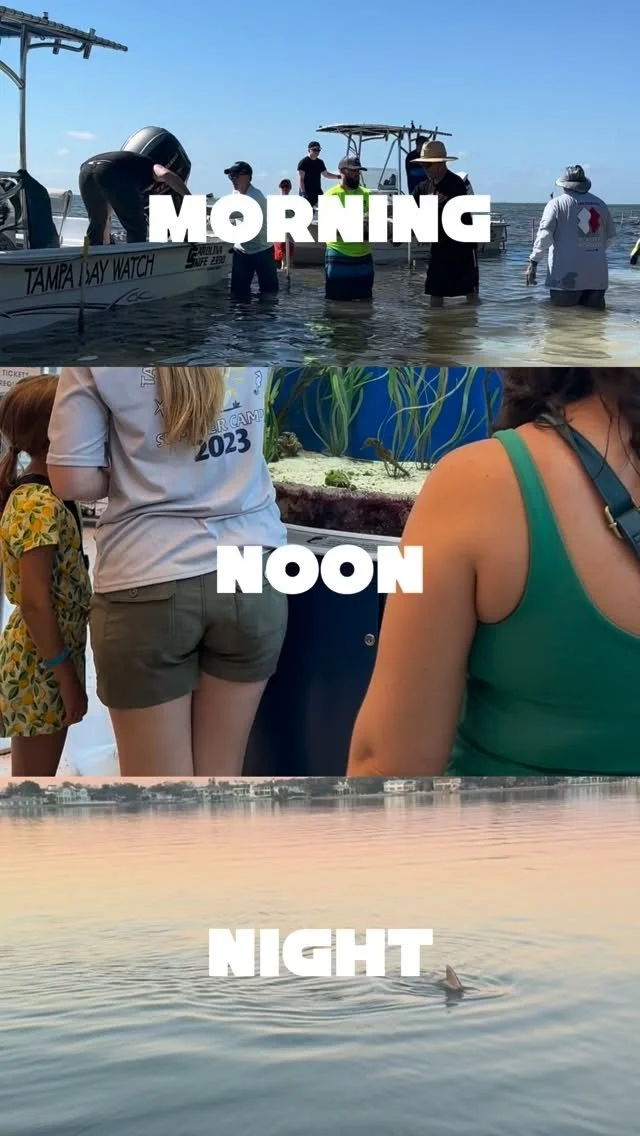
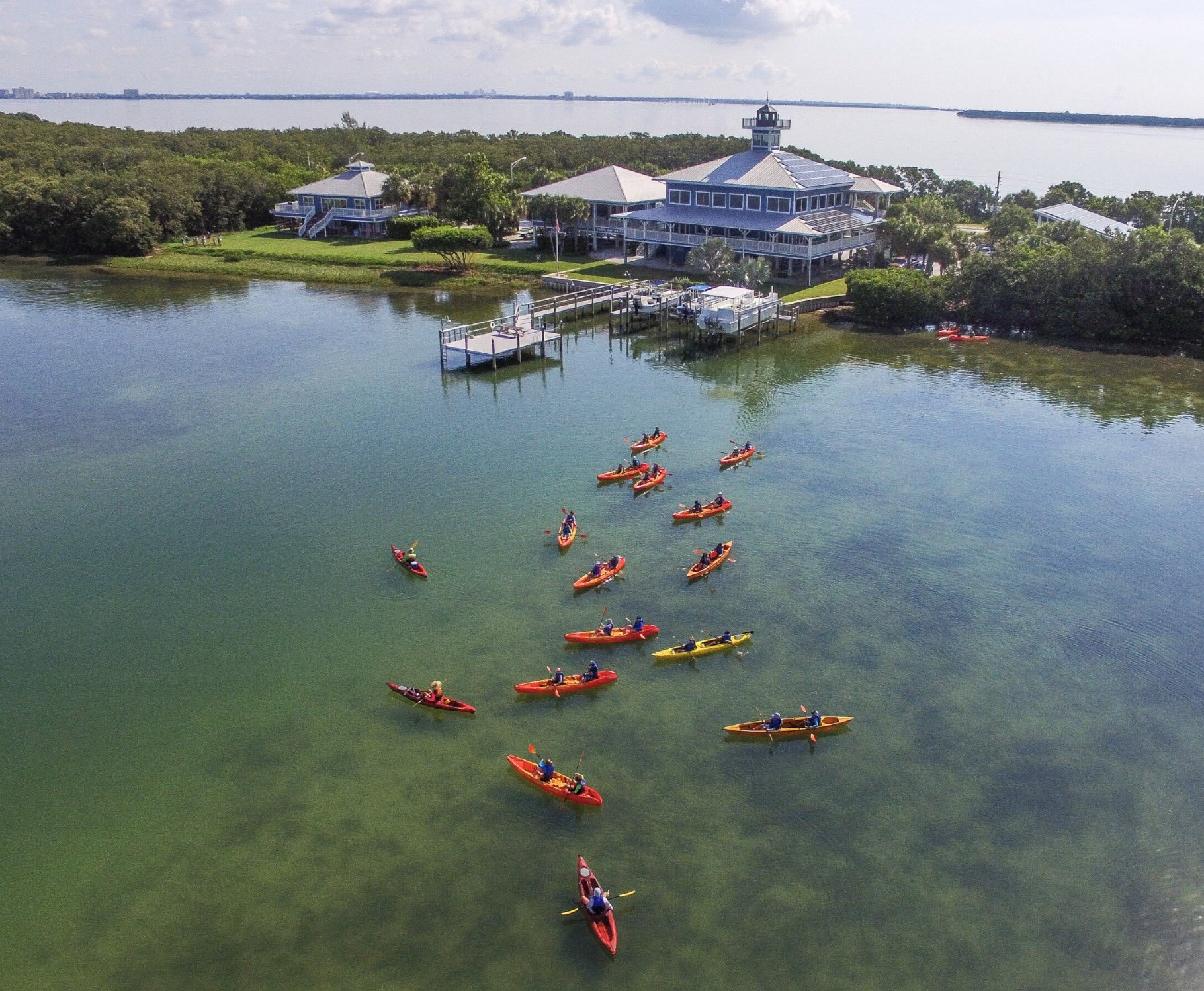
On Saturday, August 28, 2010, Tampa Bay Watch coordinated 35 boats and 15 kayaks totaling 150 volunteers to survey nearly 14,500 square meters of the Tampa Bay Estuary in search of bay scallops. The results are in and the total number of scallops found this year is thirty-two. This total count is the lowest in five years and could be a result of the recent heavy rain which resulted in poor visibility for snorkelers which makes finding scallops difficult and/or the excessive rain and cold temperatures caused by El Nino over the last winter affecting scallop populations when they were small and sensitive to water quality conditions.

Some years, volunteers find many scallops and other years they don’t. Factors that may affect the scallop population include red tide, high rainfall and wastewater discharges.

“We can witness the health of the bay by tracking the number of scallops found each year”, says Peter Clark, Executive Director of Tampa Bay Watch. “Every year we hope the number of scallops found increases, which means that water quality and habitat are also improving in our estuary.”

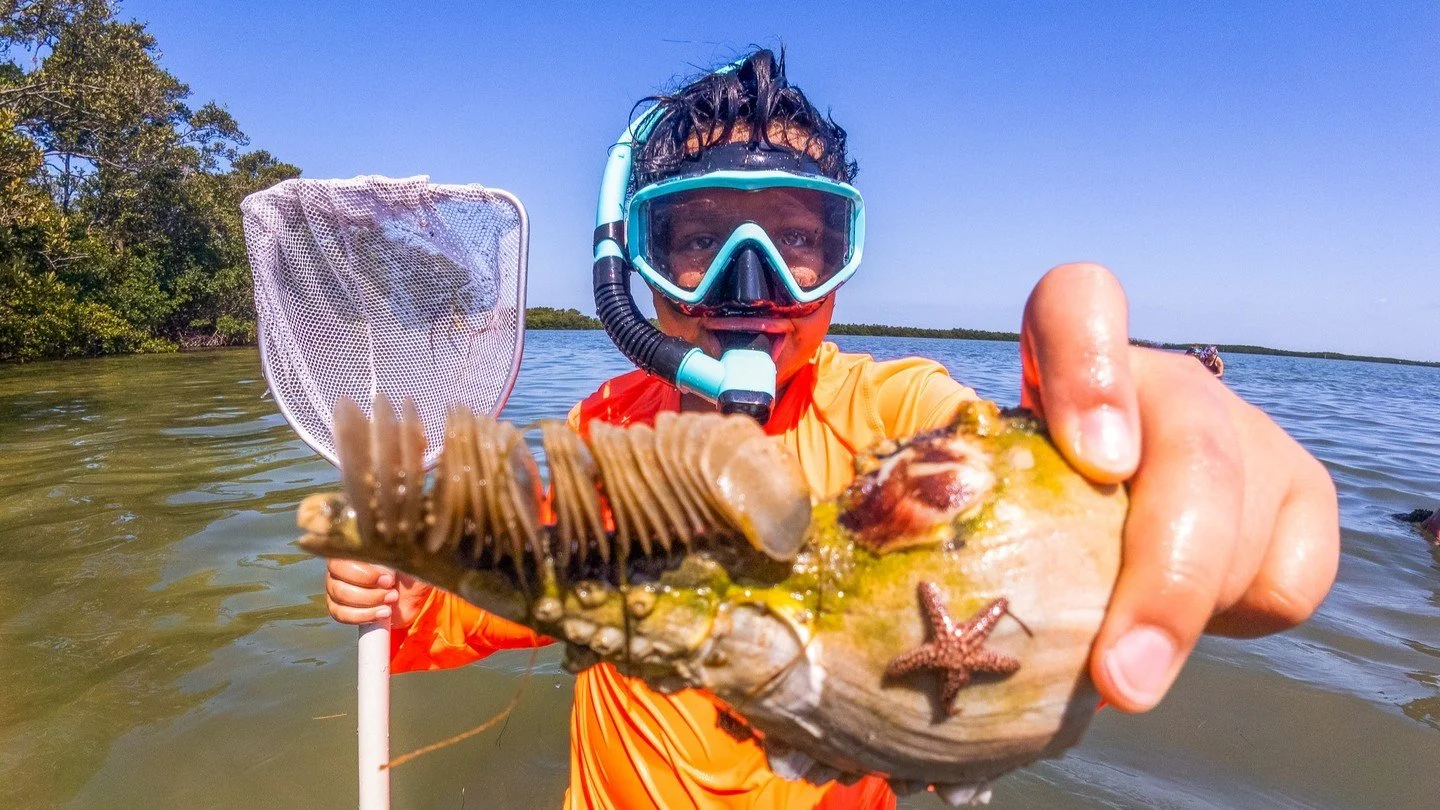
Tampa Bay Watch and Tampa Bay Estuary Program sponsor the Great Bay Scallop Search, a resource monitoring program where volunteers snorkel to search for scallops in select areas within Boca Ciega and Lower Tampa Bays. The event has been conducted annually since 1993. The purpose of this program is to monitor and document the health and status of the bay scallop population.

The Great Bay Scallop Search is Tampa Bay Watch's most popular volunteer event each year. Not only does it offer the opportunity to bring attention to the bay's valuable resources, but it also promotes hands-on volunteerism and education to families and residents of the estuary. Many first time as well as "seasoned" scallop searchers comment on the bay wildlife they see under the water during the event. At each site, a weighted transect line 50 meters in length is laid along seagrass beds. Snorkelers count scallops along each side of the transect line, within one meter of each side, creating a 100 square meter survey area.

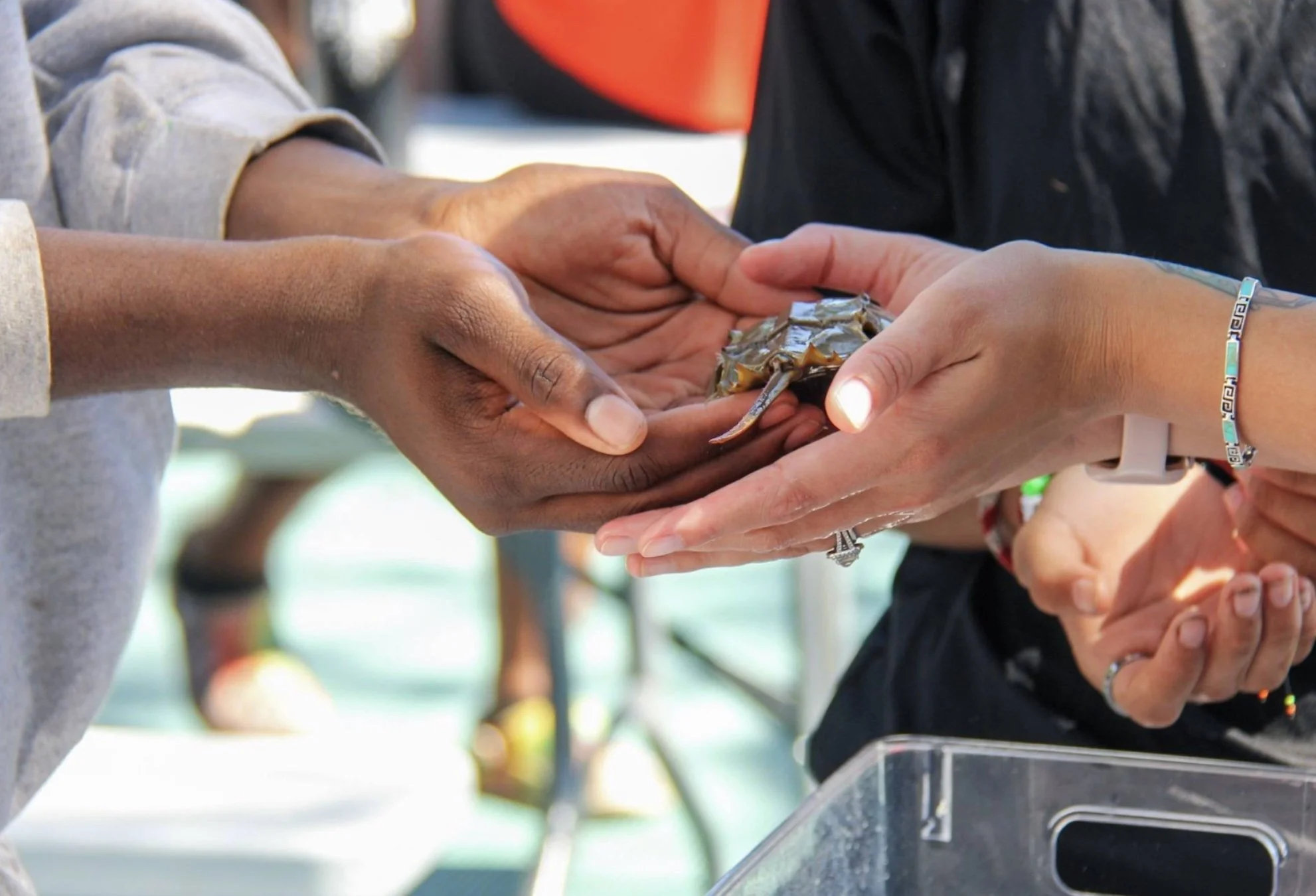
Bay scallops, or Argopecten irradians, are secretive bivalves in the same family as clams and oysters. They may reach a shell size of three inches and spend their short twelve to eighteen month life span hiding in seagrasses of waters like Tampa Bay. Scallops are filter feeders, therefore they are highly sensitive to changes in water quality and can be used to measure an ecosystem’s health and signal changes in water quality. Adult bay scallops can pump as much as 15.5 quarts of water per hour improving water quality resulting in long term growth of seagrass beds.

Bay scallops disappeared from Tampa Bay in the early 1960s when the bay water was highly polluted from dredging operations and industrial and municipal wastes. Tampa Bay’s water quality and seagrass beds have since improved to levels that will once again support the bay scallop population. Tampa Bay Watch, Florida Fish and Wildlife Conservation and Mote Marine Laboratory are working to increase the bay scallops in our area by raising scallops in laboratories and releasing the juveniles into the Bay. Although bay scallops are edible, it is illegal to harvest scallops in Tampa Bay in order for restoration efforts to be successful.

To view the video from this year's Scallop Search, and to find out more about bay scallops, click here!

For more information on past years' Scallop Search counts or for more about the Great Bay Scallop Search, click here.

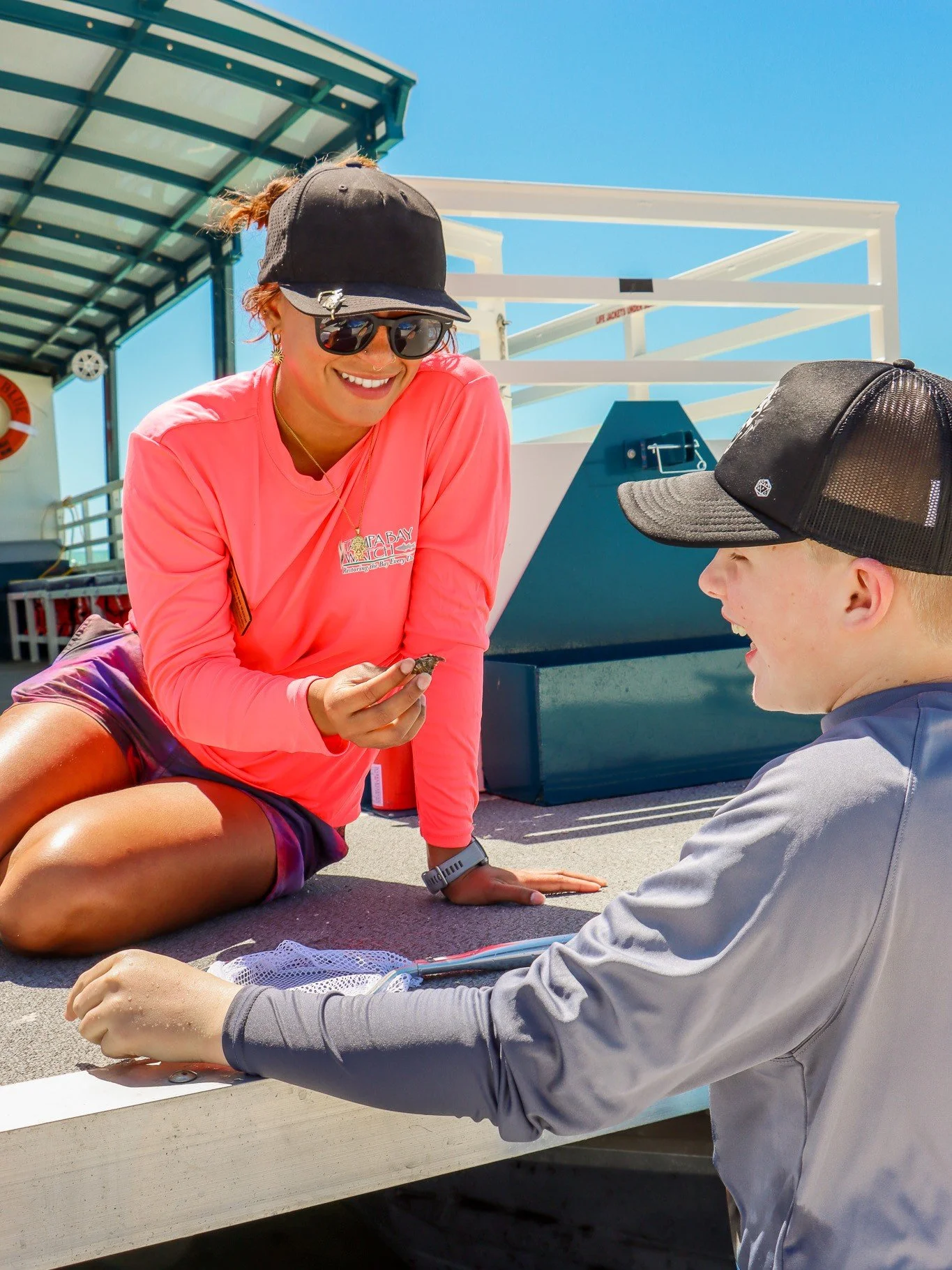
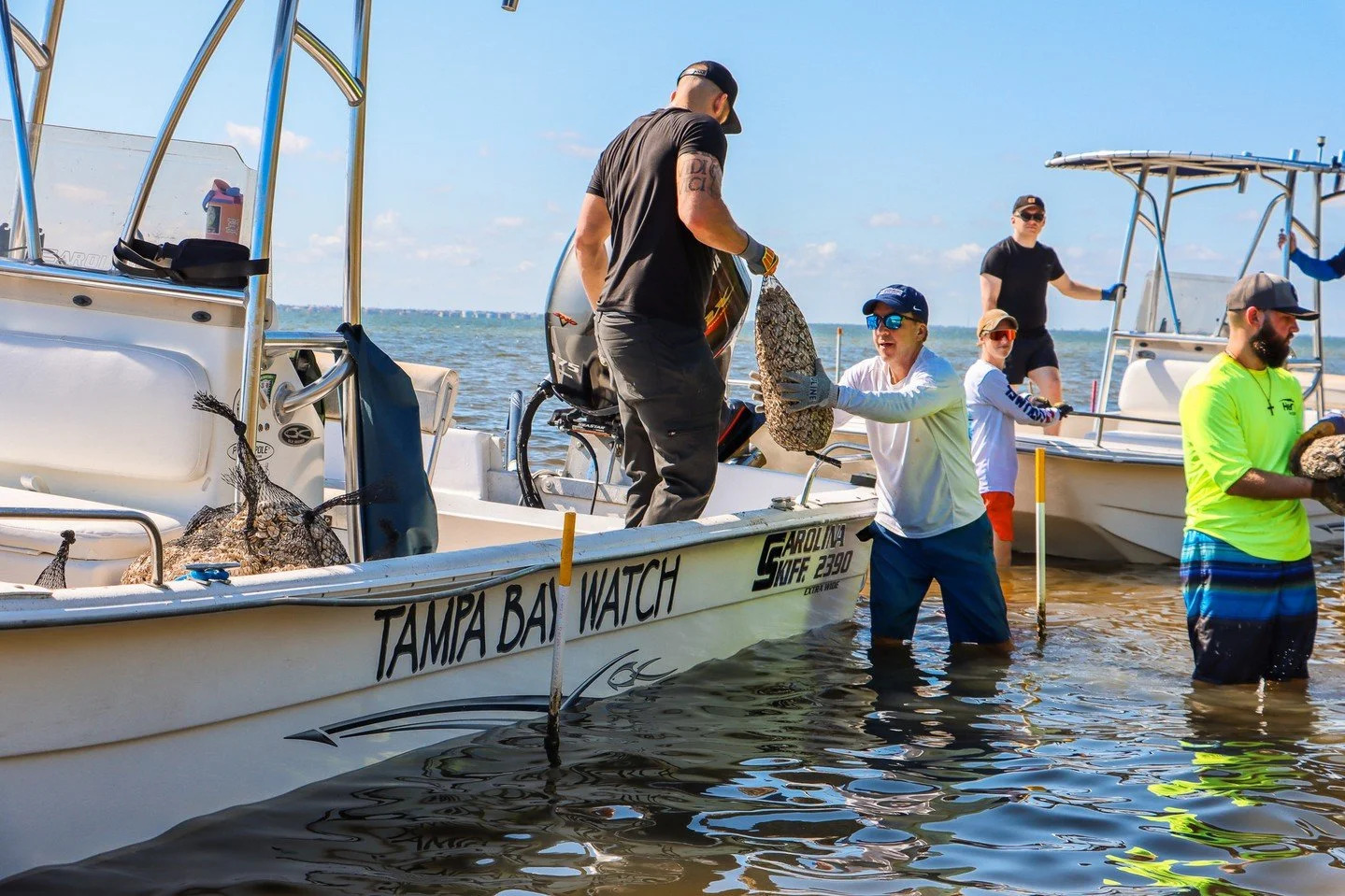
Images from the 2010 Scallop Search are shown below: 


To be notified of other upcoming volunteer events, please visit the
Volunteer Opportunities/Become a Volunteer link!