

We spoke with Paige from our restoration team as she builds an irrigation tee for use in our Bay Grasses in Classes program.
What did you create?
An above ground irrigation tee and water timer.
What does the process look like for this – step by step?
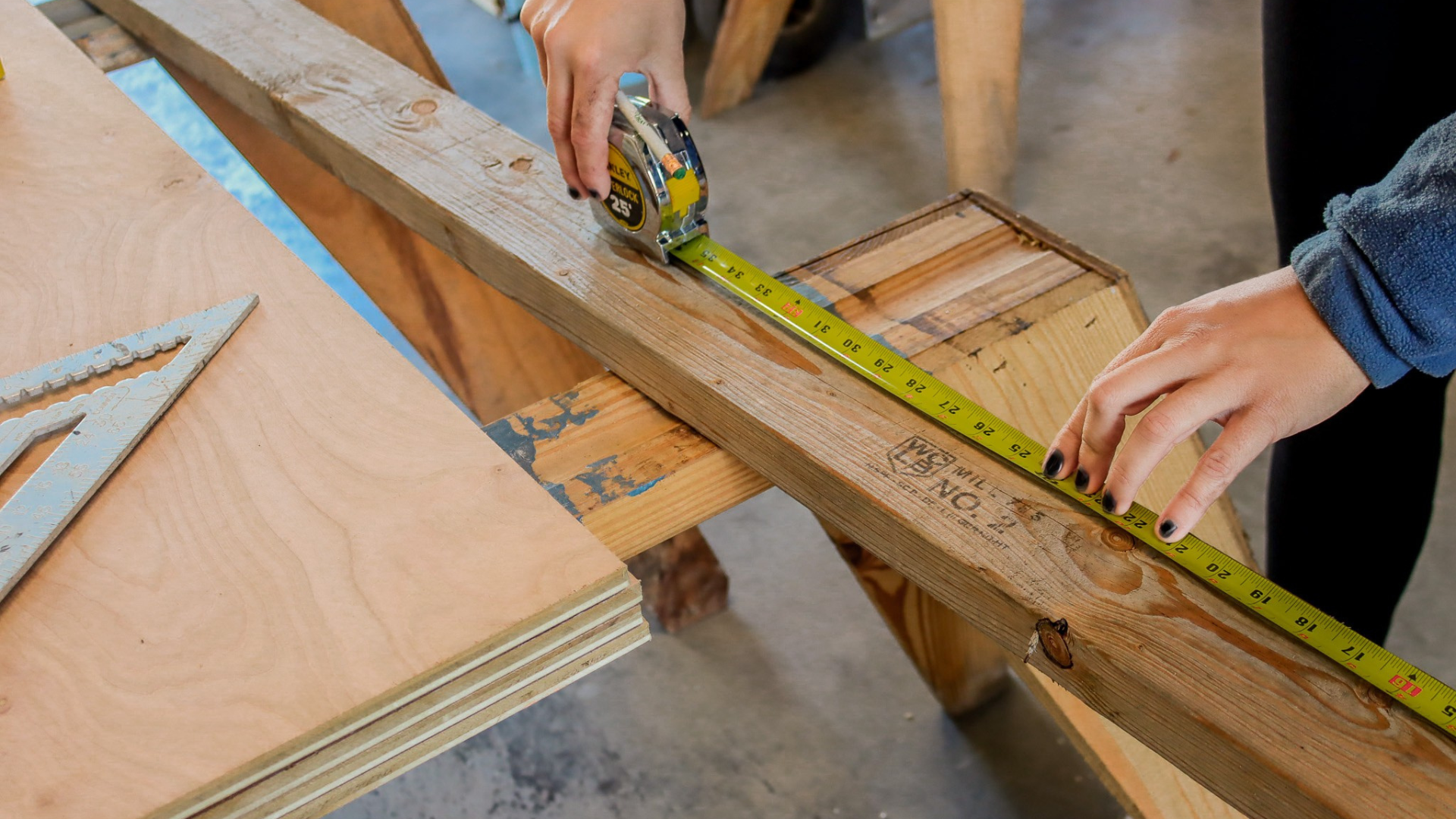
Creating an irrigation tee is a relatively simple process that uses PVC and 2x4s(wood?). First, we create a pathway for water to flow with PVC. The PVC is glued into a T formation with end fittings that allow it to be secured to a water source via a hose on one end, and a timer and diverting hose on the other end. This PVC tube configuration is then connected to another tee made from wood. This tee has an extended bottom post which is used to secure the irrigation tee into the ground near our nursery. Once the T is configured, it is time to install it at the nursery. To install an irrigation tee we dig a hole for the post to be placed, then replace the dirt around it to keep it stable in the ground. We then attach a hose from a water source to the bottom of the tee. Sometimes, our nurseries are a ways from the school's water source. When this is the case, we dig a trench where the hose is connected to the water source to our nursery, then bury the hose. This keeps it out of harm's way from any ground maintenance and diminishes any tripping hazard it may cause. Once buried we attach it to the bottom of our tee and double check the connection is leak free. A second shorter stretch of hose is then connected from the tee timer to the nursery. Lastly, we set our water timer and double check that all connections are secure and functional. Once the irrigation tee is installed and secured, it will be able to control and maintain the water level of the nursery without needing to be adjusted.
What is the purpose of this project?
The purpose of installing the irrigation tee and timer is to take some of the responsibility from the teachers and ensure the health of the plants in our wetland nursery. By installing a timer, we can guarantee consistent watering of the plants and regulate the water level in the nursery without having to keep such a close eye on the nursery. Additionally, we try to make the bay grasses and classes program as easy to participate in as possible. By having a separate irrigation system on a timer for our wetland nursery, the groundkeepers no longer have to remove the irrigation from the nursery to utilize it for the grounds or separate gardens.
Where will this be installed?
This tee will be installed in our BGIC School LLT South Bay’s Nursery.
How will this help the program? The plants?
Above ground irrigation tees are an excellent way to guarantee the health of a nursery without requiring daily check-ins and manual watering. The species we work with are wetland bay grasses. It is vital that they maintain moist roots year-round to grow successfully enough for use in restoration projects. This requires consistent large-scale watering to maintain the levels necessary for the thirsty species in our 16ftx16ft nurseries.
What do you think is the most important part of this project?
The most important aspect of this project is communication with our school staff and maintaining safe and reliable working conditions during the installation process. It is very important to us that our collaborating school staff feel confident in their ability to maintain the nursery and are fully informed on every step we take in the BGIC program process. Additionally, this task is not always completed without challenges. It is important to check for any water lines or obstacles before digging, and to maintain and rectify any changes to the landscape that may occur during the installation and trenching process. It is imperative to double, and triple-check the work completed once it is finished. Water is a precious resource and is not to be wasted, yet our plants rely heavily on consistent and controlled watering to be viable for use in our restoration projects. This line can be tough to tow at times; attention to detail and quality assuredness are a top priority when altering any environment at our schools for the nursery.
What should people know about this project?
The BGIC program includes nine schools in the Tampa Bay area; these schools grow and harvest thousands of plants every year for our native planting projects. All efforts including the planting, recycling, and harvesting, constructing and maintaining the nursery, and any other nursery needs such as installing irrigation are handled by Tampa Bay Watch restoration staff. This is a work of heart, and it takes both grit and determination to maintain the success of this program. The satisfaction of being able to provide this experience to so many kids year after year is priceless.